Skip nav to main content.

Brushing Scam Warnings from Volt Credit Union
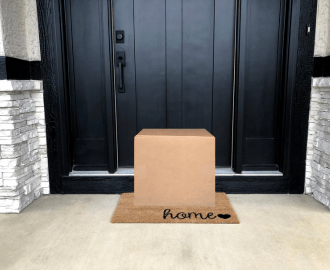
What could be better than opening the mailbox or the front door and finding an unexpected package? We all love surprises and gifts, but when these seemingly harmless free items come from a company or retailer, they may come with a higher cost than you realize

With the rise of online shopping, it’s very likely that you’re use to receiving packages at your home. But what happens when you start receiving packages you didn’t order?

Across the country, people are finding themselves in that very situation. Unfortunately, many don’t realize these packages are part of a brushing scam that could leave them vulnerable to con artists. In this article we’ll explain what brushing scams are and how best to protect yourself from them.

What are Brushing Scams?

A “brushing” scam is when someone receives an unexpected gift or item not ordered in the mail from a place like Amazon or another company. Examples of gifts include rings, bracelets, necklaces, Bluetooth speakers, etc. The gift will have the recipient’s address, but not include the sender’s information or be from a known retailer. Often, these packages appear to be from major online retailers you might recognize like Amazon, Shein, or Temu. People open these mystery packages because they trust the retailers they come from — recipients may even think they’ve ordered these packages until they see what’s inside.

When the recipient opens the package to see what it is and possibly who sent it, there is a QR code to scan to find out who sent the gift.

Once you scan the code, all the information from that phone will be sent to scammers. All personal and financial information is accessible to the scammers, and the victim’s bank accounts are often drained.

The gift can be kept or thrown away, but do not scan the QR code for any reason. QR code scams are nothing new. These scams show up in all places, including parking meters.

How to Avoid Falling for Brushing Scams

The best way to prevent brushing scams is to protect your personal data. Limit your online presence by deleting unused accounts and setting your social media accounts to private. You can also request the removal of personal information- such as your birthday, address, phone number, and email from public online databases.

  1. Don’t pay for the merchandise: don’t let anyone windle or pressure you into paying for it.
  2. Return to sender: if the mail has a return address and is UNOPENED, write “RETURN TO SENDER” on it and USPS can send it back at no cost to you.
  3. Throw it away: if you opened it, and do not wish to keep it, you may simply dispose of it in the garbage, as long as it is safe to do so.
  4. Keep it: if you opened it and you like it, you may keep it. By law, you may keep unsolicited merchandise and are under no obligation to pay for it.
  5. Change your account passwords immediately: your personal information may be compromised.
  6. Closely monitor: closely monitor your credit reports and credit card bills.
  7. Notify authorities: if the merchandise is organic (i.e., seeds, food, plants) or an unknown liquid or substance, notify the proper authorities and follow their instructions.
  8. Suspicious contents: if you are wary of the contents inside an unsolicited package, please follow the instructions on the SUSPICIOUS MAIL
  9. Notify the retailer: if unsolicited merchandise arrives from Amazon, eBay, or another third-party seller, so to that company’s website and file a fraud report. Ask the company to remove any fake reviews under your name.

Inform your family members about the scam and avoid scanning any unknown QR codes included in the package.

Our Commitment to Your Safety

Volt Credit Union commits to safeguarding your personal information and providing you with the tools and knowledge to protect yourself from scams. Together, we can ensure your financial security in the digital world.